Breast Augmentation 101: Everything You Need to Know Before Surgery
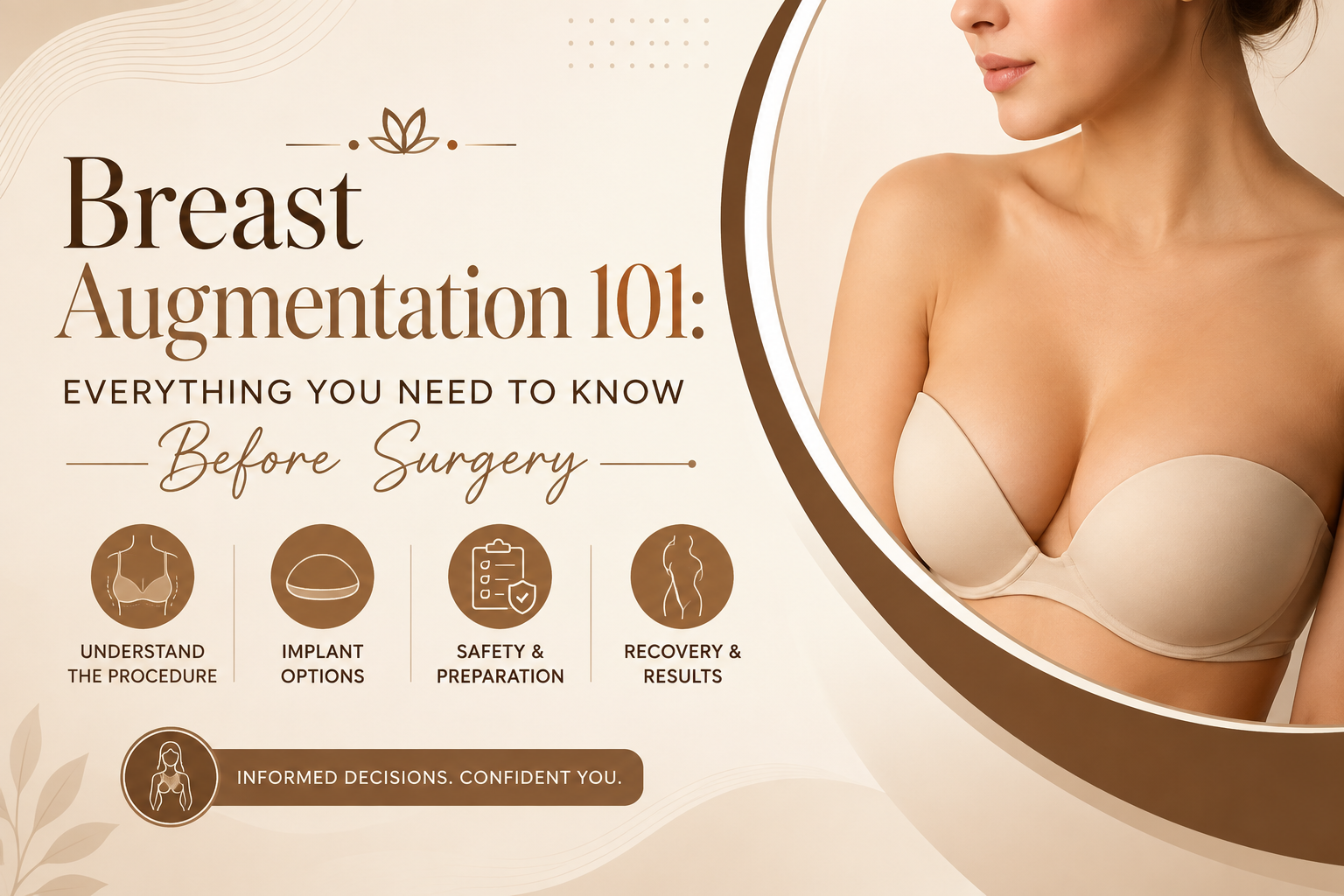
Deciding to undergo breast augmentation surgery is a personal and significant decision. Whether you're exploring the idea for the first time or actively researching before a consultation, having clear, reliable information helps you make a confident choice. This guide covers everything from the types of breast implants available to recovery timelines, costs, risks, and what to expect at every stage — so you can walk into your consultation informed and prepared.
What Is Breast Augmentation Surgery?
Breast augmentation, also known as breast enlargement surgery or augmentation mammoplasty, is a cosmetic procedure designed to increase breast size, improve symmetry, or restore volume lost due to weight loss, pregnancy, or aging. It involves placing breast implants — or in some cases, transferring the patient's own fat — to achieve a fuller, more balanced breast shape.
This procedure is one of the most commonly performed forms of cosmetic breast surgery worldwide, and advancements in surgical techniques have made it safer and more customizable than ever before.
Types of Breast Implants: Silicone vs Saline
One of the first decisions you'll make during your breast augmentation consultation is choosing the right implant type.
Saline Implants These are filled with sterile saltwater after being placed in the body. If a saline implant leaks, the body safely absorbs the saline, and the deflation is immediately noticeable.
Silicone Implants Filled with a cohesive silicone gel that closely mimics the feel of natural breast tissue. Silicone implants are popular for their natural look and feel, though a leak may go unnoticed without imaging, which is why periodic monitoring is recommended.
When comparing silicone vs saline implants, your surgeon will also discuss implant profile and shape (round or teardrop), projection, and breast implant sizes that align with your body frame and aesthetic goals.
Am I a Good Candidate for Breast Augmentation?
Not everyone is an ideal breast augmentation candidate, and a thorough evaluation is essential. Generally, good candidates:
Are physically healthy with realistic expectations
Are bothered by breast size, shape, or asymmetry
Have fully developed breast tissue
Do not smoke, or are willing to quit before and after surgery
Have no untreated medical conditions that could interfere with healing
A licensed plastic surgeon consultation is the only reliable way to determine candidacy, as individual anatomy and health history play a major role.
The Breast Augmentation Consultation
Your journey begins with a detailed consultation with a board-certified cosmetic surgeon. During this visit, expect the following:
A review of your medical history and current health status
A physical examination of breast tissue, skin elasticity, and chest wall
Discussion of your goals, preferred implant type, and size
Explanation of incision options and implant placement (under muscle/over muscle)
Review of breast augmentation risks and benefits
This is also the time to ask about anesthesia options, expected scarring, and to view breast augmentation before and after photos of previous patients for realistic expectations.
Preparing for Surgery
Following your surgeon's breast augmentation pre-op instructions closely improves both safety and results. Common preparation steps include:
Avoiding blood-thinning medications and supplements
Stopping smoking several weeks prior
Arranging for someone to drive you home and assist during initial recovery
Completing any required pre-surgical bloodwork or imaging
Fasting for a specified period before anesthesia
The Breast Implant Surgery Procedure
The breast implant surgery procedure typically takes one to two hours and is performed under general anesthesia on an outpatient basis. The surgeon makes an incision (commonly under the breast fold, around the areola, or in the armpit), creates a pocket for the implant, and positions it either above or below the chest muscle. Incisions are then closed, and the area is bandaged for initial healing.
Breast Augmentation Recovery Time
Recovery is gradual, and understanding the breast augmentation recovery time helps set realistic expectations:
First 1–3 days: Swelling, tightness, and mild-to-moderate discomfort are common. Rest is essential.
Week 1–2: Most patients return to light daily activities and non-strenuous desk work.
Week 3–4: Swelling continues to subside; light exercise may be reintroduced with surgeon approval.
Week 6 and beyond: Most patients resume full activity, including strenuous exercise, once cleared.
3–6 months: Implants settle into their final position, and scars continue to fade.
Following all post-surgery care instructions, including wearing a supportive garment and attending follow-up appointments, is critical for smooth healing.
Breast Augmentation Cost
The breast augmentation cost varies widely based on geographic location, surgeon experience, implant type, facility fees, and anesthesia charges. Additional costs may include pre-operative testing, garments, and follow-up visits. Because pricing differs significantly by provider and region, it's best to request a detailed, itemized quote during your consultation rather than relying on average estimates.
Breast Augmentation Risks and Benefits
Like any surgical procedure, it's important to weigh the breast augmentation risks and benefits carefully.
Potential Benefits:
Enhanced breast size and symmetry
Improved confidence and body image
Restored volume after pregnancy or weight loss
Customizable results tailored to your body
Potential Risks:
Infection or bleeding
Changes in nipple or breast sensation
Capsular contracture (scar tissue tightening around the implant)
Implant rupture or leakage over time
Need for future revision surgery
Discussing these openly with your surgeon ensures you're making a fully informed decision.
Frequently Asked Questions
What is breast augmentation surgery? It's a cosmetic procedure that uses implants or fat transfer to increase breast size or improve shape and symmetry.
How is breast augmentation done? Under general anesthesia, a surgeon places implants through a small incision, positioning them above or below the chest muscle.
Is breast augmentation safe? When performed by a qualified, board-certified surgeon, it is considered a safe and well-established procedure, though all surgeries carry some risk.
How long does breast augmentation surgery take? The procedure itself usually takes one to two hours, followed by a short recovery period before going home the same day.
How long is recovery after breast augmentation? Most patients return to light activities within one to two weeks, with full recovery and final results visible over three to six months.
How do I prepare for breast augmentation? Follow your surgeon's pre-op instructions, avoid smoking and certain medications, and arrange support for the first few days after surgery.
Final Thoughts
Breast augmentation is a deeply personal decision that can meaningfully impact confidence and comfort in your own body. From choosing between silicone vs saline implants to understanding breast implant surgery procedure steps, recovery timelines, and cost, being well-informed is the best way to prepare for a successful outcome. Always consult a board-certified plastic surgeon who can evaluate your unique anatomy and goals, and guide you through every step — from your first consultation to full recovery.
Disclaimer: This blog is for informational purposes only and does not substitute professional medical advice. Please consult a licensed, board-certified plastic surgeon to discuss your individual candidacy, risks, and treatment options.